
 En
En  Fa
Fa 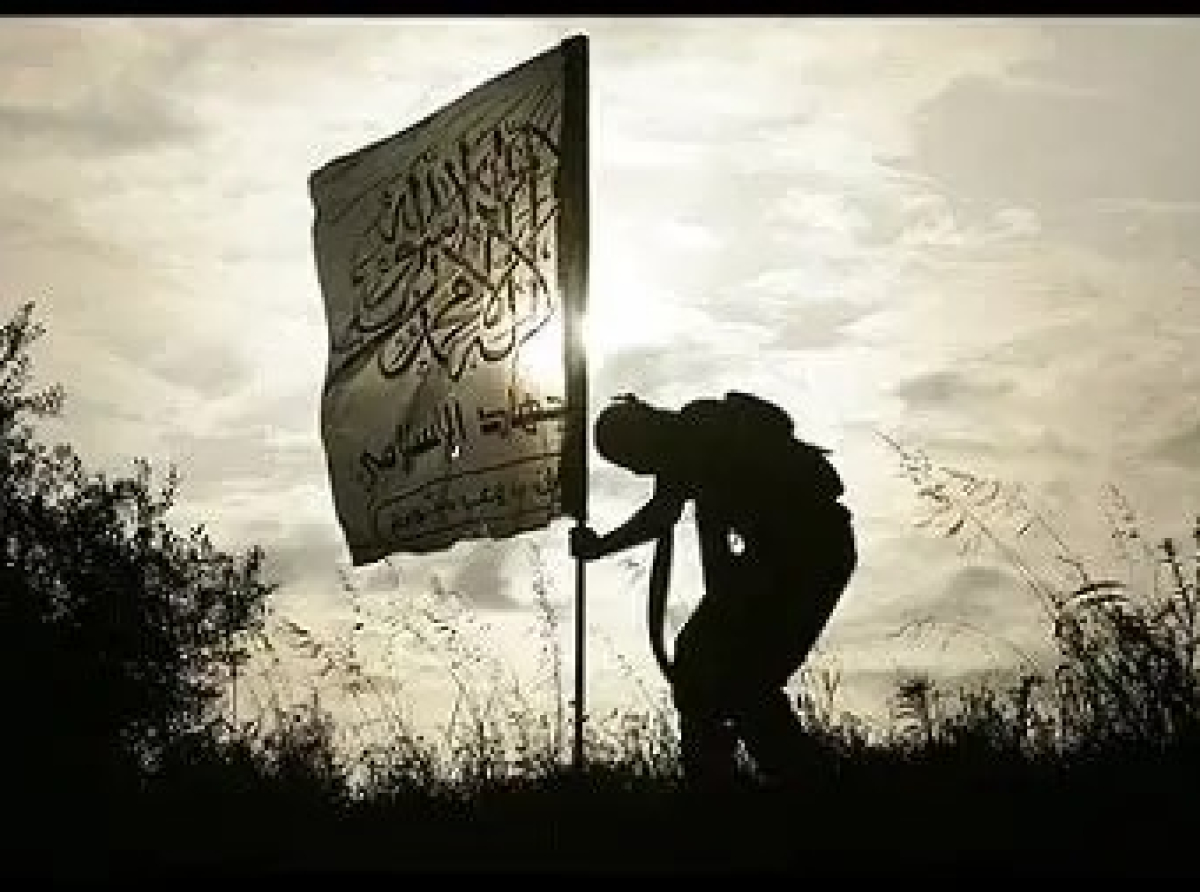
Jihad) means to strive. In Islam, (Jihad) means that a person strives to preserve his religion and defend other Muslims. This effort can be with wealth, tongue, pen, and in certain circumstances, by fighting. (Jihad) is an important Islamic duty that has a broad meaning. The most important type of jihad is the struggle against the evil within ourselves. Defensive jihad is also carried out to protect the religion, lives, and property of Muslims. We can all be mujahids in our daily lives by doing good deeds. The time of the Sacred Defense was an example of a nation's jihad against global arrogance, which, relying on faith, resistance, and unity, protected Islamic Iran from the harm of its enemies. Also, figures such as General Hajj Qassem Soleimani showed that jihad and struggle in the way of God are not limited to military warfare, but rather jihad is also of great importance in the cultural, economic, and social spheres. Today, the enemies of Islam are using more non-military means than ever before, such as cultural invasion, media warfare, and economic sanctions, to attack Islamic values. In such circumstances, the struggle in the way of God continues consciously, intelligently, and steadfastly.
The worldly and hereafter virtues of jihad have been mentioned in numerous verses and hadiths. According to the verses of the Quran (Surah An-Nisa: 95; Surah An-Ankabut: 69; Surah At-Tawbah: 20), those who sacrifice their lives and property in the way of God are superior to other Muslims in the sight of God, and God has given them the good news of Paradise and attaining the status of martyrdom. Jihad in Islam is not a cruel campaign to conquer and usurp the lands of others, nor is it a plundering and taking possession of their property for material development. Rather, it is a purposeful movement to spread peace, spirituality, and freedom, fight against oppression, remove obstacles to the freedom of nations, and defend the lives, property, and honor of Muslims against the onslaught of enemies. By examining the teachings of Islam, the actions of religious leaders, and historical facts, the philosophy of legislating jihad in Islam can be summarized as follows: The most important philosophy of legislating jihad is to confront enemies who have invaded Muslim lands and intend to kill and destroy them. Supporting those who have been oppressed by the powerful and arrogant and who have reached out to those in need is another goal of legislating jihad in Islam. Without a doubt, if a group of believers does not stand up to confront the tyrants and oppressors and those who seek to overthrow the remembrance of God among people, all the bases of worship of God from all divine religions will be destroyed at their hands. Before beginning jihad (struggle in the way of God), it is necessary to invite the opposing side to Islam and its divine teachings, to abandon disbelief and rebellion against God, and to not violate human rights. First, one must focus on the areas closer to the Islamic land. Defensive jihad means war to defend Muslims and Islamic lands. From the perspective of some Muslim authors, the necessity of jihad does not mean the existence of permanent confrontation between Muslims and non-Muslims, but rather jihad is the last resort to consolidate the interests of Islam and Muslims. Fleeing from war is not forbidden, but rather a major sin, unless the number of Muslims is less than half of the enemy forces, in which case resistance against them is not obligatory. Jihad may end in one of the following ways: converting the enemy to Islam if the war was started with the aim of guidance, taking refuge in the hands of the enemy, concluding a temporary agreement to cease hostilities, or a permanent reconciliation.
Translator: Fatemeh Abbaszadeh
