
 En
En  Fa
Fa 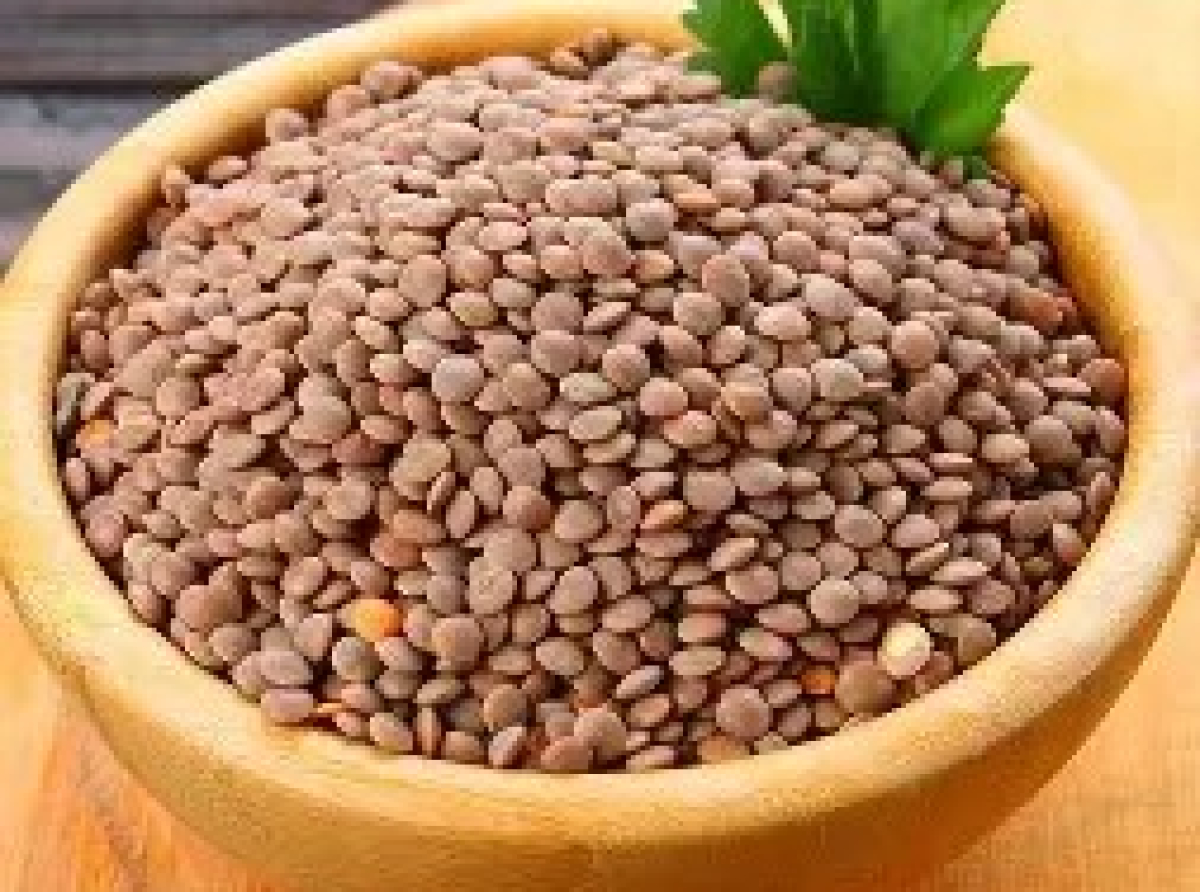
Nutrition experts consider lentils to be equal in properties to meat, considering them to strengthen the stomach and memory, and consider their boiled form to be disinfectant. They believe that lentils cooked with vinegar are a stomach tonic, and that their juice softens the chest and eliminates coughs. According to the USDA, cooked lentils contain only 116 calories per 100 grams, but their satiating and nutritional power is impressive. Studies by the NIH have shown that regular consumption of lentils can have a significant impact on managing a healthy lifestyle due to their low glycemic index and positive effects on heart health and improved blood sugar control. The high presence of iron and magnesium in lentils makes them a smart choice for vegetarians and anyone looking for a reliable source to meet their body's basic needs. Lentils, with their soluble and insoluble fiber, increase stomach volume and slow down the digestion process, keeping you feeling full for hours. On the other hand, lentils' plant-based protein helps regulate hormones that affect appetite and keeps energy levels high. Studies have shown that increasing the consumption of fiber- and protein-rich sources in daily meals contributes to a 15% reduction in total energy intake. From a scientific perspective, the protein and fiber in lentils activate the thermogenesis mechanism, meaning the body burns more calories to digest and absorb these substances. Also, the presence of B vitamins in lentils improves the metabolism of carbohydrates and fats, releasing energy sources more purposefully. People who regularly replace refined carbohydrate sources with lentils experience a gradual reduction in body fat percentage and stabilization of energy levels. When it comes to preventing heart disease and taking care of your arteries, lentils are always high on the list. This is not only because of their fiber and plant compounds, but also because of the presence of elements like potassium and antioxidants that directly contribute to reducing bad cholesterol and regulating blood pressure. The soluble fiber in lentils absorbs some of the bad cholesterol (LDL) and removes it from the digestive tract. The potassium and magnesium in lentils reduce vasoconstriction and help regulate blood pressure. Studies by the Academy of Nutrition and Dietetics have shown that people who regularly consume legumes have a 21% lower risk of heart disease. Lentils are rich in polyphenols and powerful antioxidants that neutralize free radicals and fight chronic inflammation. These defensive properties play a major role in reducing cellular damage and reducing the risk of metabolic diseases and cancer. For those dealing with diabetes or insulin resistance, choosing the right carbohydrates is crucial. With a low glycemic index and high fiber content, lentils have become the number one choice for this group. The glycemic index of lentils is 29–36, making them an ideal choice for diabetic meals. This low amount allows for a slow release of sugar into the bloodstream, controlling blood sugar spikes and drops. Adding lentils to meals or snacks is recommended for type 2 diabetes patients, as the NIH believes that regular consumption of legumes with a low glycemic index ensures improved blood sugar control. Lentils are also mentioned in good terms in the treasure of medical hadiths of the pure Imams (AS).
The healing properties of lentils are mentioned in narrations from the infallible Imams (AS). Imam Sadiq (AS) said: Lentils are good for back pain. Lentils, without further ado, are a masterpiece of healthy, affordable food. Whether you're on a diet, have a spotty iron intake, or are simply looking for a complete meal for the family, these little grains are the answer—with great flavor, quick cooking, and a wide range of benefits from weight loss to heart support and blood sugar control.
Translator: Fatemeh Abbaszadeh
